
A Guide to Dog Friendly Family Stays
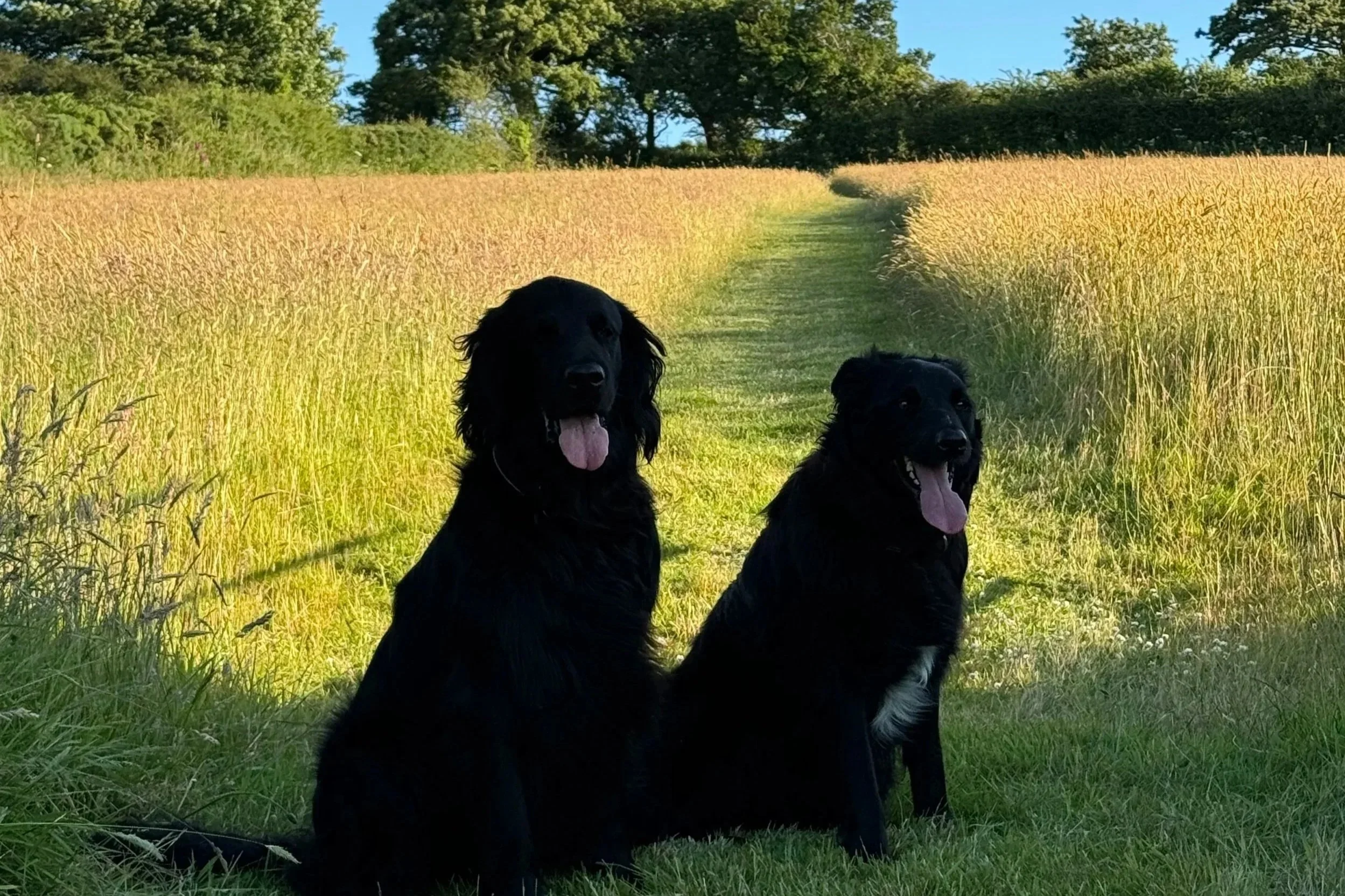
Freddy and Drummer in the picnic field at The Cornish Place
The best dog friendly family stays feel easy from the moment you arrive. No awkward rules, no squeezing a crate between suitcases, no debate over whether the dog can settle while you go out for lunch. Just space to spread out, somewhere beautiful to stay, and the sense that everyone - children, grown-ups and dogs included - is genuinely welcome.
That sounds obvious, but it is where many holidays fall short. A place can allow dogs without really being set up for them, and it can claim to be family-friendly while leaving parents to pack half the house. If you are booking a break in Cornwall or anywhere else in the UK, it helps to know what makes a stay work in practice, not just on the listing.
What makes a dog friendly family stay actually work
A good-looking cottage is lovely. A well-planned one is better. When you are travelling with children and a dog, the details carry more weight than the brochure shots.
Space matters first. Open-plan living can be brilliant for sociable evenings, but it needs enough room for a dog bed, toys, buggies and the usual holiday sprawl. If the interiors are stylish but precious, you may spend the whole stay telling everyone to be careful. The sweet spot is design-led comfort - somewhere polished enough to feel like a treat, but relaxed enough to be lived in.
Outdoor space matters just as much. For families, that usually means room for children to burn off energy and for dogs to have a proper sniff before breakfast. A private terrace or garden is helpful, but shared grounds can be even better if they are generous and well kept. It gives everyone more freedom, especially on longer stays.
Then there is the less glamorous side of things - floors that can cope with muddy paws, easy parking close to the cottage, a proper utility area or at least somewhere sensible to dry coats and leads. None of these details make the front page of a holiday brochure, but they make all the difference by day three.
A guide to dog friendly family stays in the real world
The easiest way to choose well is to think beyond whether dogs are "allowed" and ask how the stay supports family life. That means looking at the whole rhythm of your holiday.
Start with the layout, not just the number of bedrooms
A cottage can sleep six and still feel awkward for a family with a dog. You want enough separation for naps, early bedtimes and relaxed evenings once the children are asleep. If grandparents or friends are joining you, privacy becomes even more valuable.
Look for a layout that gives everyone breathing room. En suites can make mornings smoother. A downstairs cloakroom can be unexpectedly useful after beach walks. If you are bringing a baby, a larger main bedroom may leave space for a cot without turning bedtime into a game of furniture Tetris.
Check the house rules before you fall for the photos
Dog-friendly policies vary wildly. Some places welcome one small dog only. Others are happy with multiple dogs but have restrictions on furniture, bedrooms or leaving pets unattended. None of that is unreasonable, but it is worth knowing upfront.
For family stays, flexibility is often the difference between relaxing and constantly planning around rules. If you would like to head out for dinner one evening, ask whether there is any support available, such as local dog sitting recommendations. If the dog is used to sleeping downstairs at home, make sure the cottage setup suits that routine.
Think about the setting around the cottage
Families rarely stay put all week, so location deserves a closer look. A smart cottage in the middle of nowhere can feel idyllic until everyone is back in the car twice a day. Equally, a busy village spot may be convenient but less peaceful if your dog reacts to noise or foot traffic.
The best balance is usually somewhere with countryside calm and straightforward access to beaches, walking routes and family days out. In Cornwall, that often means choosing a base that gives you options on both coasts, so you can follow the weather rather than fight it.
Comfort is the luxury that matters most
When people hear luxury, they often think of finishes first - beautiful kitchens, statement bathrooms, carefully chosen interiors. Those things do matter. But for families travelling with dogs, luxury is often about ease.
It is arriving to a warm, immaculate cottage with everything in place. It is not having to pack every small item because thoughtful extras are already there. It is being able to make coffee while the children settle in, then step outside with the dog and feel the holiday begin properly.
The most memorable stays tend to include both style and substance. A hot tub is wonderful after a long coastal walk. A fire pit turns an ordinary evening into one everyone remembers. A pizza oven, outdoor kitchen or communal bar area can transform a group trip, especially if you are travelling with extended family and want to meet, eat and hang out together without booking restaurants every night.
That is where a premium self-catering stay comes into its own. You keep the privacy and freedom of your own cottage, but with the kind of thoughtful extras that remove the usual friction.
Packing for children and dogs without overpacking
Every family says they will travel lighter next time. Most do not. The trick is knowing what actually earns its place in the car.
For dogs, stick to the familiar: bed, blanket, food, bowls, lead, long line if you use one, towels, poo bags and any medication. A portable paw washer can be handy in winter, but a decent old towel often does the same job. If your dog is crate-trained, think carefully about whether bringing it will help everyone settle more quickly, especially in a new space.
For children, the most useful items are usually the boring ones. Night lights, favourite cups, a familiar bedtime book and a small box of quiet toys can smooth over the change of scene. If you are staying somewhere genuinely family-ready, larger pieces of kit may be available, which can make a surprising difference to the drive down.
Try not to pack for every possible activity. A few well-chosen layers, practical footwear and clothes that can handle beach sand, grass and the odd ice cream incident are usually enough.
How to make the holiday feel restful, not hard work
The first day often sets the tone. If you can, keep arrival simple. Let the dog explore on lead, give the children a chance to choose their rooms, then resist the urge to rush straight back out. A slower first evening tends to pay off.
Routine helps more than people expect. Dogs settle better when meals and walks happen at roughly the usual times, and children often cope better with holiday excitement when bedtime does not drift too far. That does not mean a rigid schedule. It just means keeping enough familiarity around the edges.
It is also worth planning one or two genuinely easy days. Not every day needs to be a full beach expedition followed by a pub lunch and an afternoon attraction. Sometimes the best holiday moments happen when nobody is in a hurry - coffee outside, children playing, the dog asleep after a long walk, and dinner cooked slowly back at the cottage.
If you are travelling as a wider family, talk about expectations early. Some people will want coastal hikes. Others will want spa treatments, lazy lunches or an hour with a book in the sun. The nicest group stays allow for both togetherness and escape.
When booking a guide to dog friendly family stays, ask better questions
Good accommodation providers should be able to answer practical questions clearly. Ask how secure the outdoor space is, where dogs can be walked from the door, whether there is space for muddy kit, and what family equipment can be provided. If you are celebrating something or travelling with more than one generation, ask how the communal areas work too.
At a place such as The Cornish Place, that combination is exactly the appeal - private cottages with the feeling of a proper retreat, plus the sort of extras that make a stay feel generously hosted rather than simply self-catering. For families with dogs, that blend of freedom and thoughtful support is hard to beat.
The small details that people remember
Children remember the obvious things - roasting marshmallows, staying up late in the hot tub area, choosing ice cream after a beach day. Adults remember something slightly different. Enough seating outside for everyone. A kitchen that is actually enjoyable to cook in. Beds that feel indulgent. Somewhere to dry swimwear. A dog that settles quickly because the environment is calm and comfortable.
These details are easy to underestimate when you are booking. Yet they are often the reason one holiday becomes the place you return to, and the other is just somewhere you stayed once.
If you are choosing your next break, look for somewhere that welcomes the whole shape of family life - the muddy paws, the early mornings, the celebratory dinners, the quiet moments after everyone else has gone to bed. The right stay does not ask you to shrink your plans to fit the property. It gives you the space to enjoy them properly.